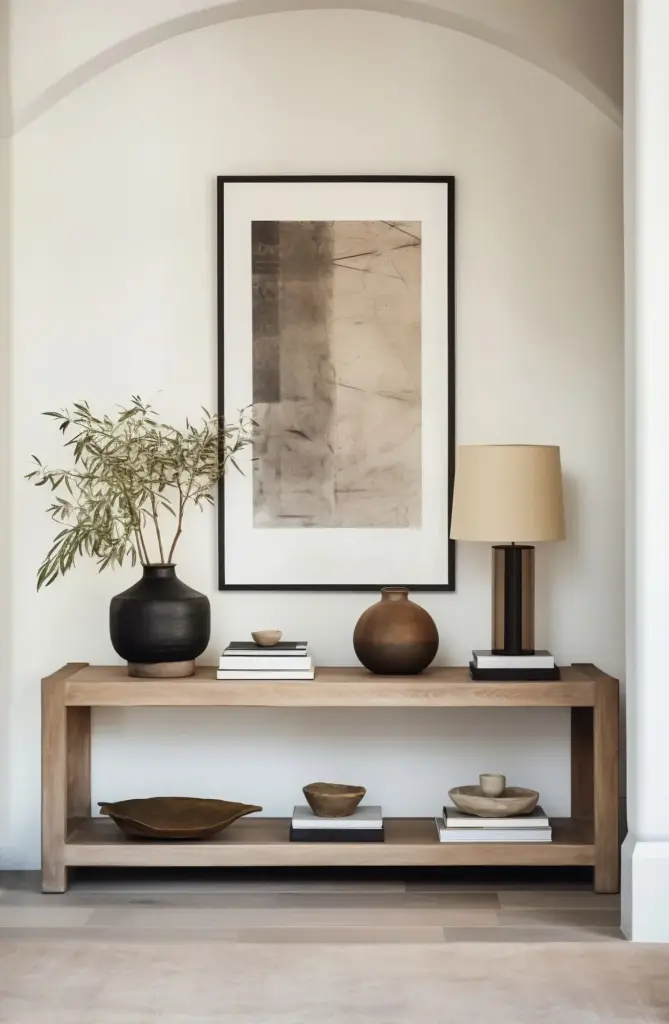
Soft Light, Pure Space

Today we explore serene lighting design for refined, minimalist homes, revealing how gentle layers, restrained fixtures, and thoughtful control create clarity, comfort, and emotional calm. From color temperature choices to shadow play and materials, you’ll learn practical ways to make quiet rooms glow without visual noise, supporting rituals, wellbeing, and effortless elegance.

Quiet Radiance: Principles of Calm Illumination

Minimalist rooms feel tranquil when light is layered with intention, glare is softened, and brightness is balanced to preserve depth. By prioritizing diffused ambient light, precise task illumination, and subtle accents, spaces read as restful rather than flat. Aim for warm palettes, high color fidelity, and generous dimming to shape mood without visual clutter or harshness.

Trimless Details That Honor Architecture

Specify plaster-in housings and micro-flanged luminaires to merge seamlessly with ceilings. Black or deeply baffled reflectors lower glare and keep apertures visually calm. This approach preserves the purity of planes, allowing light to perform beautifully while the ceiling remains a canvas of stillness, free of device-like interruptions and attention-seeking elements.

Linear Coves That Float Ceilings

Concealed linear LEDs tucked into coves or recesses wash ceilings and upper walls with weightless glow. Choose quality diffusers and consistent color to avoid banding. The effect lifts perimeter edges, elongates sightlines, and extends perceived height, creating a refined quiet that makes rooms feel serene, proportionate, and gently expansive without overt spectacle.

Portable Accents With Poetic Restraint

Selective portable pieces—cordless table lamps, low-profile floor uplights, rechargeable lanterns—add intimacy without heavy wiring. Choose matte finishes and soft-diffused shades. Place them where hands reach for a book, tea, or conversation, encouraging rituals. Their portability supports seasonal shifts and subtle rebalancing, preserving minimal order while inviting life to unfold comfortably and gracefully.

Fixtures That Disappear, Effects That Remain

Restraint is essential: choose fixtures that recede, emit with precision, and respect architecture. Trimless downlights, plaster-in linear profiles, and low-glare baffles create presence through effect, not objecthood. By minimizing visual hardware and privileging high-quality optics, light lands exactly where intention demands, keeping surfaces pristine and sightlines uninterrupted throughout every thoughtful, quiet room.

Materiality of Light: Surfaces, Finishes, and Reflectance

Light reads through material. Matte plaster, open-grain oak, brushed metals, and textured stone welcome softness and reduce sparkle. High reflectance builds brightness with fewer watts, while too much gloss can amplify glare. Pair high-CRI sources with gentle diffusion so colors breathe naturally, and let finishes guide how illumination floats, settles, or gently glides.

Matte Serenity Over Gloss Glare

Favor eggshell or matte finishes on ceilings and walls to diffuse stray reflections and calm sightlines. A modest sheen on stone or microcement enhances depth without glitter. This balance lets ambient light bloom evenly while preserving nuance, ensuring subtle shadows remain legible and surfaces feel tactile rather than polished into distraction or fatigue.

Warm Metals That Quiet Sparkle

Brushed brass, bronze, and muted nickel provide warmth while tempering sparkle that can agitate minimalist compositions. Use them as restrained accents around joinery or small luminaires. When light grazes these finishes, it returns as gentle glow rather than noise, contributing to a cohesive, grounded stillness that respects both material honesty and comfort.

Glass, Fabric, and Diffusion That Soothe

Opal glass, linen shades, and prismatic diffusers soften peaks and spread light evenly, reducing contrast hot spots. Select quality diffusers to avoid color shift and banding. This is where technology meets tactility, turning photons into atmosphere that flatters skin, honors textures, and supports calm, measured brightness sculpted precisely for pared-back interiors.

Spatial Stories: Case Notes From Two Rooms and a Hall

Real spaces reveal how restraint becomes comfort. Consider a narrow corridor, a contemplative living room, and a restful bedroom. Each uses modest fixtures, thoughtful aiming, and quiet dimming to cultivate calm. These stories show small decisions accumulating into palpable ease, where daily routines feel unhurried and rooms welcome you like a long breath.

01

A Narrow Hallway That Breathes

A continuous cove floats the ceiling, while low-level wall lights guide steps like moonlight. Surfaces stay matte, doors flush, hardware minimal. The hall expands visually, becoming a gentle transition rather than a tunnel. Motion-based dimming lifts softly, then fades, so movement feels choreographed, safe, and unforced, even during late, sleepy returns home.

02

A Living Room That Unwinds

Two trimless downlights frame artwork with soft-edge beams, a linear wash relaxes the ceiling perimeter, and a cordless table lamp pools warmth near seating. No glare points, no cluttered ceilings. Scenes shift from conversation to film with a slow fade, letting companions linger, notice textures, and savor quiet moments without restless, distracting brightness.

03

A Bedroom That Signals Rest

Warm, low-level light anchors bedside routines: a dim-to-warm reading lamp, concealed toe-kick glow, and a gentle cove. Dark shades stop external spill. A thirty-minute evening fade trains the body to slow. Morning brings a cool-er lift near wardrobes, guiding selection without shock. The room whispers stability, privacy, and deeply restorative, unhurried sleep.

Mindful Technology: Controls, Scenes, and Energy

Quiet living benefits from thoughtful controls: scene-based dimming, smooth fades, and schedules tied to natural rhythms. Choose reliable protocols and ensure drivers and lamps play well together. Pair high efficacy with high color quality, avoiding sterile light. This balance lowers energy while preserving emotion, reinforcing routines that keep life graceful and easeful.

Scenes That Support Rituals

Create named scenes—Wake, Focus, Dine, Unwind—that adjust intensity and distribution with a single touch. Gentle ramp times prevent abrupt shifts. Over time, scenes become muscle memory, freeing attention for conversation and craft. When light aligns with daily rituals, homes feel composed, intentional, and soothing, even on unpredictable days that demand quiet flexibility.

Human‑Centered Schedules, Not Harsh Timers

Automations should feel like companionship, not control. Program warmer evenings, brighter task windows, and considerate night paths. Let sensors lift light only when needed and fade longer than you expect. Respect manual overrides. This approach preserves dignity and calm, making technology nearly invisible while upholding rhythm, comfort, and simplicity without brittle, mechanical behavior.

Efficiency Without Compromise

Select efficient sources with high color fidelity and stable dimming. Quality beats quantity: fewer luminaires, placed wisely, save energy and reduce maintenance. Integrate daylight where possible, trimming artificial loads while sustaining mood. The result is lean, elegant performance that honors budgets, the planet, and the quiet character of restrained, beautifully composed spaces.

From Concept to Quiet Execution: Process and Pitfalls
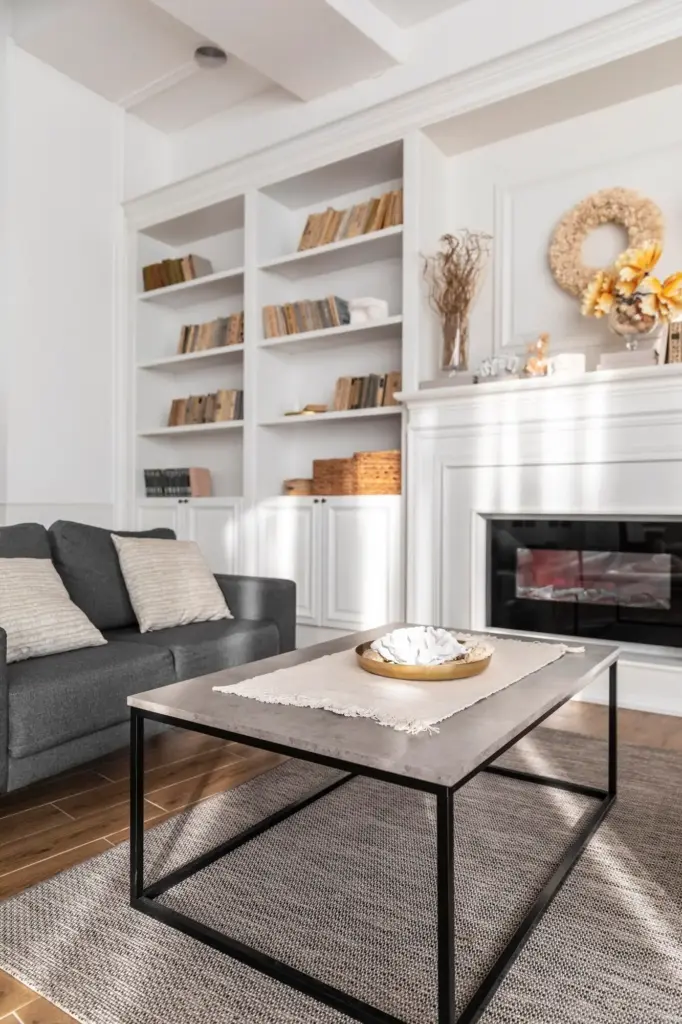
Calm results from careful process: narrative goals, scaled drawings, mockups, and coordination with millwork, electrical, and finishes. Test beam spreads, check color temperature on-site, and verify dimming compatibility early. Commission slowly, gather feedback, and refine. If this resonates, share your questions, subscribe for deeper guides, and tell us how your rooms feel tomorrow.

Plan With Scaled Drawings and Elevations
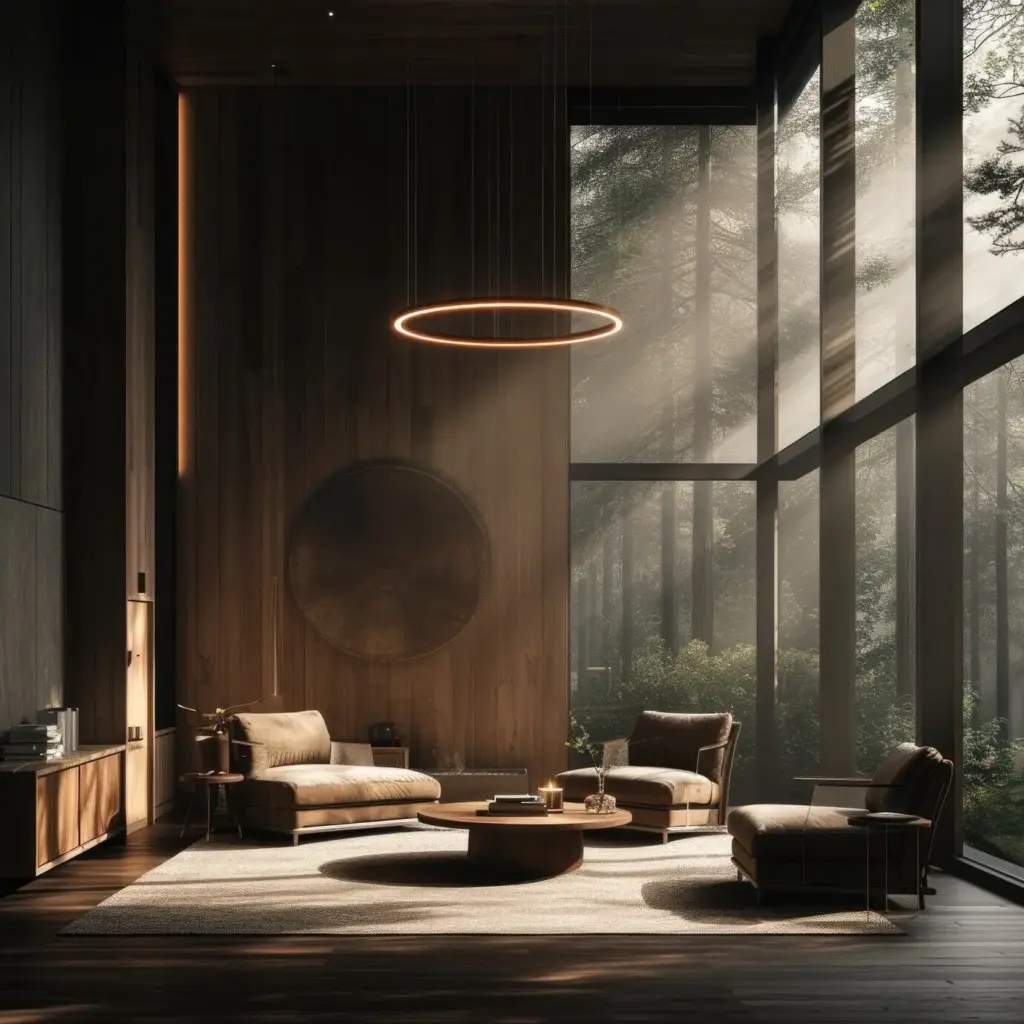
Map scenes to furniture and circulation, not only to grids. Align beams with art, edges, and tasks. Draw sections of coves and niches, specifying cut lengths and driver locations. This clarity avoids last-minute compromises, protects ceilings, and ensures light lands precisely, leaving your minimalist envelope intact, legible, and wonderfully unburdened by guesswork.

Coordinate Millwork Before Wiring

Discuss profiles, reveals, toe-kicks, and cabinet lighting early so joinery and wiring support each other. Provide access for drivers and ensure ventilation. Mock up a shelf or cove to verify glow. The result is integrated elegance that looks effortless because it was considered carefully, reducing patching, delays, and disappointing compromises at the finish line.

Commissioning, Iteration, and Listening

Walk the space at night, adjust dimming curves, tune scenes, and aim beams thoughtfully. Ask how rooms feel during daily rituals, and let feedback guide quiet refinements. Share photos or questions with us; we’ll offer ideas. Subscribe to continue exploring gentle solutions that make refined, minimalist homes glow with humane, enduring, effortless light.
Puketinetirala
Privacy Overview

This website uses cookies so that we can provide you with the best user experience possible. Cookie information is stored in your browser and performs functions such as recognising you when you return to our website and helping our team to understand which sections of the website you find most interesting and useful.